
How to Choose the Right Customized Smart Card Manufacturing Machine for Your Production Line (2026 Guide)
How to Choose the Right Customized Smart Card Manufacturing Machine for Your Production Line (2026 Guide)
The global smart card market is evolving rapidly. Whether you are producing bank cards, national ID cards, or loyalty membership cards, the efficiency and precision of your manufacturing line determine your competitiveness. However, with so many options available, choosing the right Customized Smart Card Manufacturing Machine can be challenging.
In 2026, "one-size-fits-all" machines are becoming obsolete. Buyers need equipment tailored to their specific production volume, card materials, and automation requirements. This guide walks you through the critical factors to consider and explains why Zowinda's customized solutions are setting new industry standards.
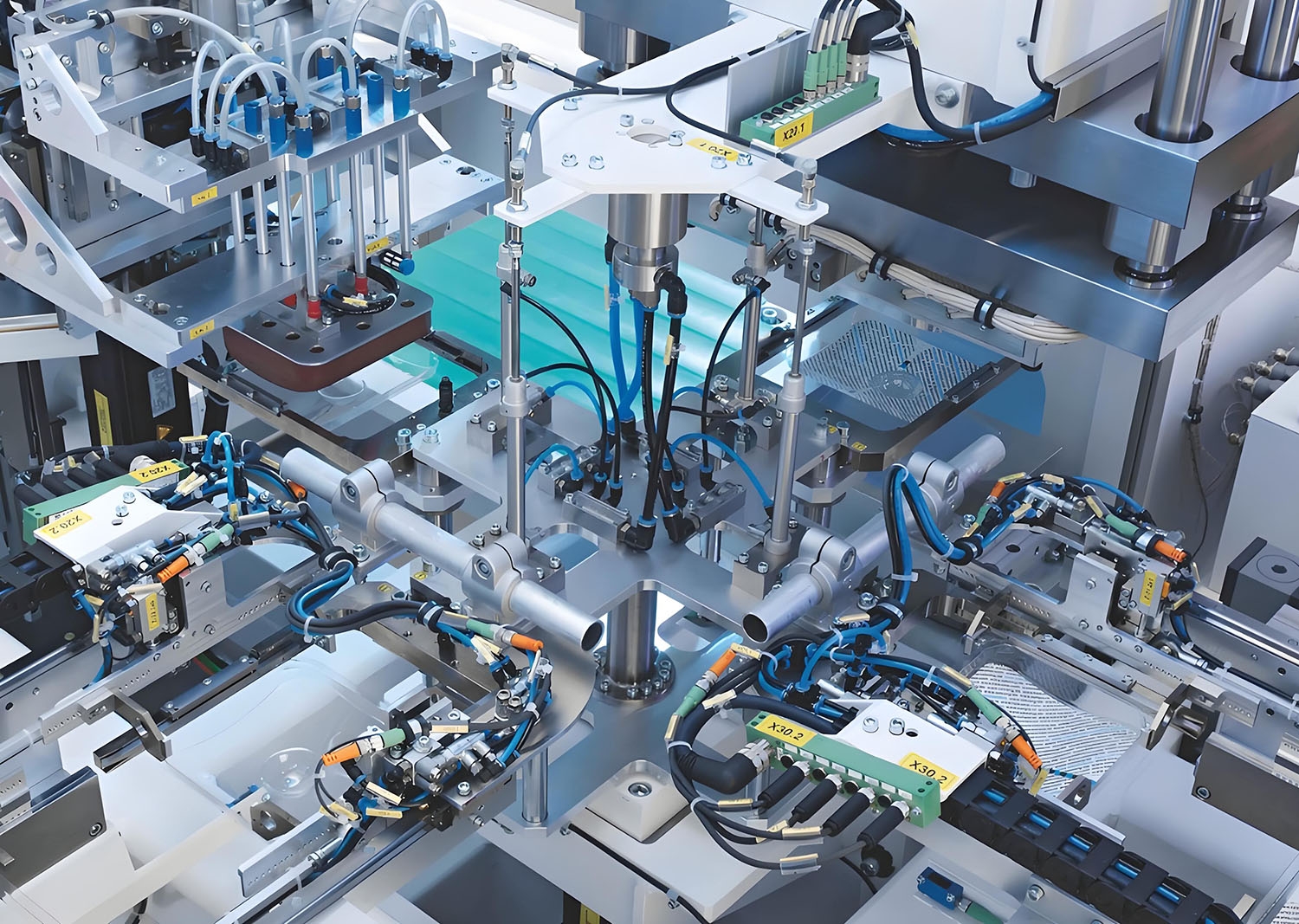
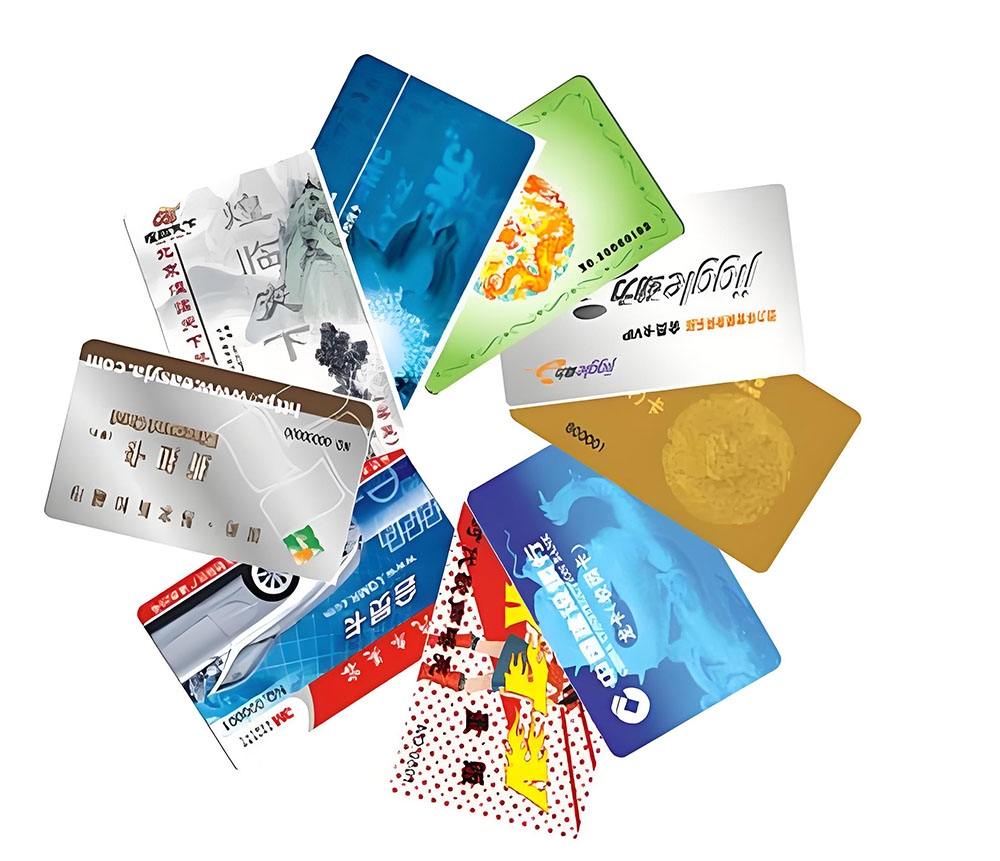
1. Define Your Production Volume and Speed Requirements
The first step in selecting a machine is matching its output capacity to your business goals. Smart card production lines vary significantly in speed:
- Low to Medium Volume: Suitable for startups or niche ID card producers (e.g., 500–2,000 cards/hour).
- High Volume: Required for national ID programs or large bank contracts (e.g., 3,000–6,000+ cards/hour).
Zowinda Insight: Our Customized Smart Card Manufacturing Machines are modular. We don't just sell a fixed-speed line; we engineer the speed to match your exact order flow, ensuring you don't pay for capacity you don't need or bottleneck your production with underpowered equipment.
2. Assess Material Compatibility and Card Types
Not all machines handle all materials. A machine designed for standard PVC cards may struggle with PET, PETG, or composite materials used in high-security ID cards.
Key Questions to Ask:
- Does the machine support PVC, PET, and ABS materials?
- Can it handle RFID and contactless chips without damaging them during lamination?
- Is it compatible with contact-based smart cards (with copper contacts)?
Zowinda's production lines are engineered for multi-material flexibility. Our systems include precise temperature and pressure controls to ensure perfect lamination for both standard PVC and high-performance composite materials, minimizing waste and maximizing yield.
3. Evaluate the Level of Automation
Automation is the key to reducing labor costs and human error. When evaluating machines, consider the level of integration:
- Semi-Automatic: Requires manual feeding of cards or chips. Lower cost, but higher labor dependency.
- Fully Automatic: Integrated feeding, encoding, printing, and personalization in a single line. Ideal for high-volume, 24/7 operations.
The Zowinda Advantage: Our customized lines feature seamless integration of Inlay Insertion and Encoding stations. Unlike generic machines that require manual handoffs between steps, our systems move cards automatically from the raw card stage to the finished, encoded product, reducing cycle time by up to 40%.
4. Precision in Inlay Insertion and Encoding
The most critical—and error-prone—step in smart card manufacturing is placing the chip (inlay) and encoding it. A misalignment of even 0.1mm can render a card useless.
When choosing a manufacturer, ask about:
- Placement Accuracy: Look for systems with vision correction or high-precision mechanical alignment (±0.05mm or better).
- Chip Protection: Does the machine use gentle handling to prevent micro-cracks in the silicon?
- Yield Rate: What is the guaranteed first-pass yield?
Zowinda's Customized Inlay Machines are specifically designed to solve these challenges. Our proprietary alignment technology ensures that RFID chips and antennas are placed with microscopic precision, achieving yield rates exceeding 99.5% even for high-density chip cards.
5. After-Sales Support and Customization Flexibility
Buying a machine is just the beginning. The vendor's ability to support you post-purchase is crucial. Can they provide remote diagnostics? Do they offer on-site training? Most importantly, can they modify the line if your product mix changes?
Why Choose Zowinda?
Unlike off-the-shelf suppliers, Zowinda specializes in fully customized solutions. Whether you need a specific encoding protocol, a unique card size, or integration with your existing ERP system, our engineering team adapts the machine to your workflow. Plus, we provide comprehensive global after-sales support, including remote troubleshooting and on-site installation.
Conclusion: Invest in a Partner, Not Just a Machine
Choosing a smart card manufacturing machine is a strategic decision that impacts your bottom line for years. By focusing on speed, material compatibility, automation level, and precision, you can avoid costly mistakes.
Zowinda is ready to help you build the perfect production line. Our Customized Smart Card Manufacturing Machines combine cutting-edge technology with the flexibility to meet your unique business needs.
Ready to upgrade your production line? Contact Zowinda today for a free consultation and production line assessment.
 2026 Smart Card Manufacturing
 Optimizing Packaging Lines: Ba
 Precision Cutting Solutions: C
 Automating Postal Services: Th
Please contact us with your request
We are ready to answer your questions.