Automatic Module Testing Machine: Comprehensive IC Module Electrical Testing Equipment for Smart Card Quality Assurance

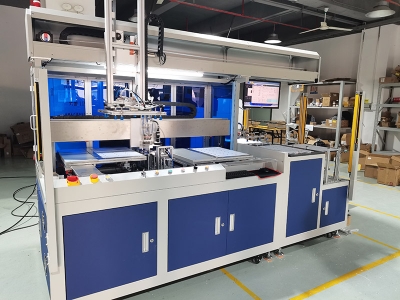
Figure 1: ZOWINDA Automatic Module Testing Machine - IC Module Electrical Testing System
In smart card manufacturing, the quality of the IC module is paramount. A single defective chip can compromise an entire batch of cards, leading to costly recalls and reputational damage. ZOWINDA's Automatic Module Testing Machine provides comprehensive electrical testing of IC modules before they are implanted into card substrates, ensuring only verified components reach the production line.
The Critical Role of Pre-Implantation Testing
Pre-implantation testing (also known as incoming inspection or pre-bond testing) verifies that each IC module meets electrical specifications before it is bonded to a card body. This upstream quality gate prevents defective modules from being embedded in finished cards, where failure detection becomes far more expensive.
Comprehensive Test Capabilities
- Contact Interface Testing: Full ISO 7816 protocol verification including ATR analysis, PPS negotiation, and T=0/T=1 protocol compliance
- RFID/NFC Testing: Frequency response measurement, read distance validation, and protocol conformance for contactless modules (ISO 14443, ISO 15693)
- Dual-Interface Verification: Simultaneous testing of both contact and contactless interfaces on hybrid modules
- Electrical Parameter Measurement: VCC current consumption, clock frequency accuracy, and signal timing verification
- Data Integrity Checks: Read/write cycle testing with CRC and parity error detection
- Statistical Process Control: Real-time yield tracking with trend analysis and SPC chart generation
Technical Specifications
| Parameter | Specification |
|---|---|
| Test Capacity | Up to 10,000 modules/hour |
| Supported Interfaces | ISO 7816 Contact, ISO 14443A/B NFC, ISO 15693 LF-HF |
| Test Accuracy | ±0.1% voltage, ±1% frequency |
| Data Logging | Full test results per module with serial tracking |
| Yield Reporting | Real-time dashboard with defect classification |
| Power Supply | AC 220V / 50Hz / 1.5kW |
| Dimensions | 1200mm x 800mm x 1400mm |
ROI Impact: Catching Defects Early Saves Millions
A defective module caught during pre-implantation testing costs approximately $0.05 to reject. The same module caught after card lamination costs $0.50-$2.00 to scrap. If it reaches end customers, the cost escalates to $15-$50+ in support, replacement, and brand damage. The testing machine typically pays for itself within 6 months.