
Automatic IC Module Implanting Machine

VERVIEW
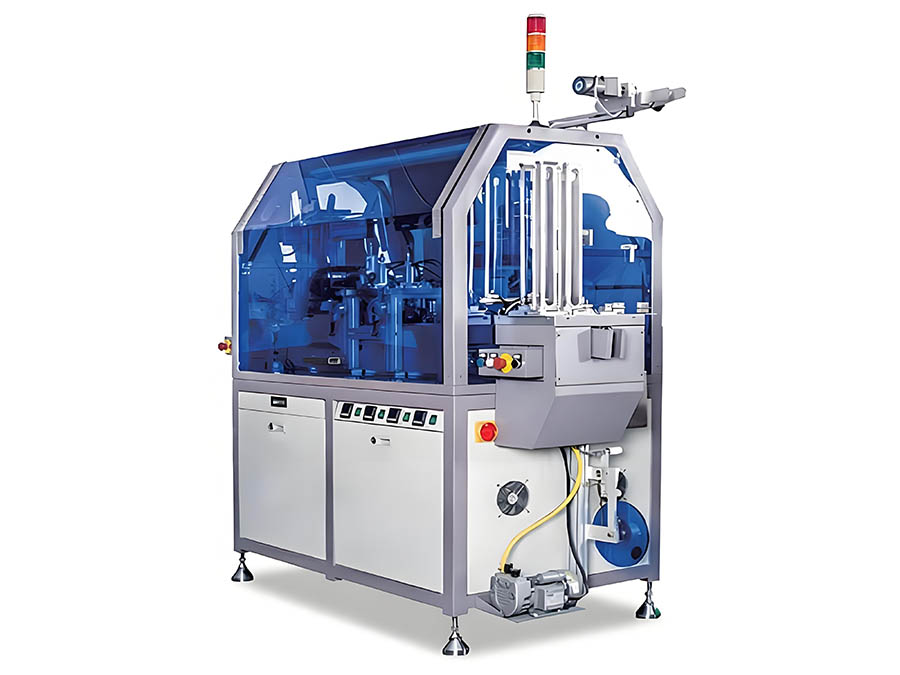
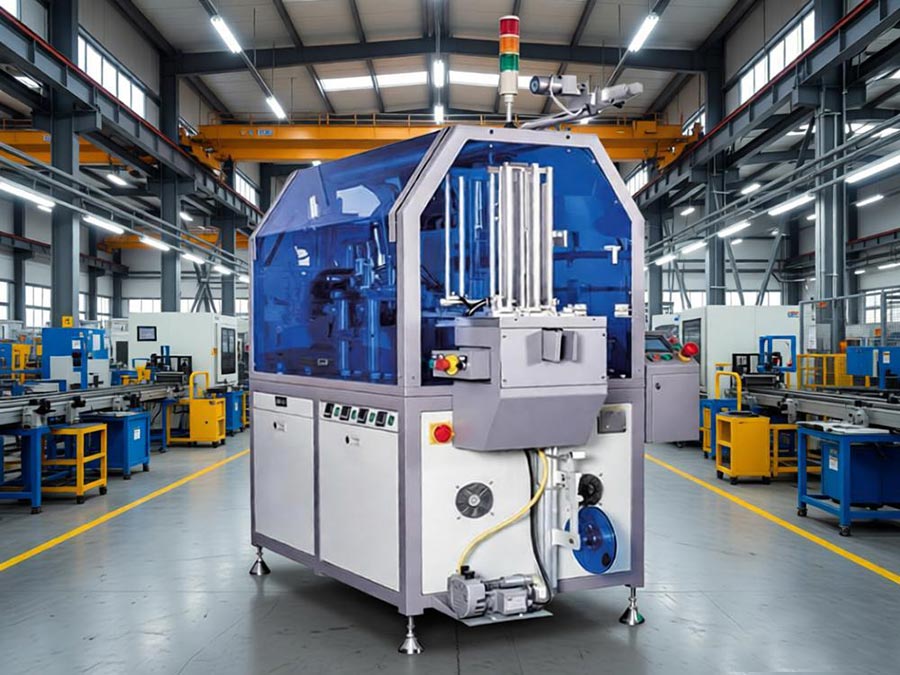
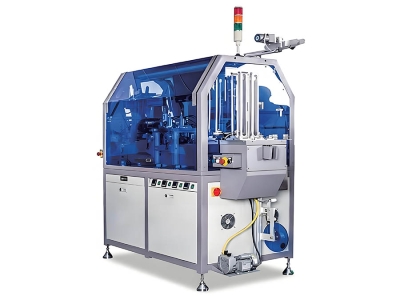
This is a full auto machine, integrated with card milling, module testing, laminating, and module implanting.
MAIN FEATURES
§ Integration with card milling, module testing, lamination and module implanting
§ PCL+HMI control system, easy to operate and maintenance.
§ Milling cavities and chip modules are easy to adjust to suit different size.
§ Apply the servo drive system, guide screw and XYZ 3 axis platform and professional tools to make the cavities are accurate and stable.
§ Special feeding design avoids unloading double cards caused by static electricity.
§ Special feeder & output magazine auto-transfer system is more easily to operation
§ Cards transferred through belt driven by servo motor to ensure the safety and stability of the machine.
§ Servo motor working with high precision assemble modules, module transfer position can be changed directly.
§ Milling programs can be compiled as different requirement with parameters modification conveniently.
SPECIFICATIONS
Q1: What is this machine used for?
A1: Automatically implants IC modules into smart cards (SIM, bank cards, ID cards) with high precision.

Q2: What is the implanting accuracy?
A2: ±0.03mm, ensuring perfect alignment between the module and the card.

Q3: Which module sizes are supported?
A3: Supports 2mm×2mm to 10mm×10mm IC modules.

Q4: What is the production efficiency?
A4: 1,000–2,000 modules per hour, depending on size and card type.

Q5: Does it use glue for bonding?
A5: No. Uses thermal pressing or ultrasonic welding for a clean, reliable bond without adhesives.

Q6: How is quality controlled during operation?
A6: Pressure sensors and vision inspection monitor the process. Defective modules are automatically rejected.

Q7: What card materials are compatible?
A7: PVC, ABS, PET. Thickness range: 0.76–1.0mm.

Q8: Is the operation complex?
A8: PLC + Touchscreen control. Simple parameter setup and user-friendly interface.

Q9: Can it run continuously?
A9: Yes. Supports 24/7 operation with automatic loading/unloading systems.

Q10: What about maintenance costs?
A10: Modular design simplifies maintenance. Long-life components keep costs low.
Related PRODUCTS
-
Auto Patch Pick and Place Machine
-
Auto Sheet Trimming Machine - High-Preci
-
Auto Contactless Card Inlay Sheet Manufa
-
Automatic Milling & Implanting Machi
-
Automatic IC Module Implanting Machine
-
Auto Envelope Sealing and Labeling Machi
-
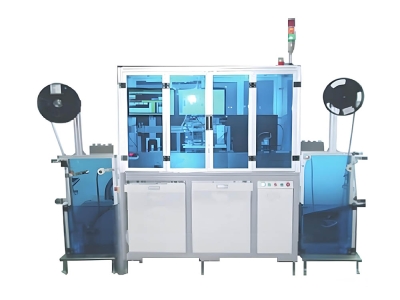
Automatic Module Testing Machine
-
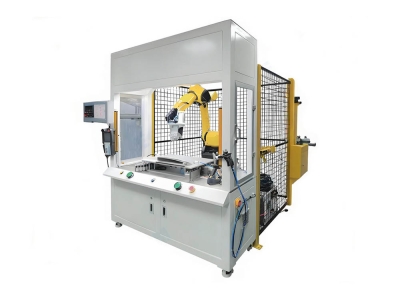
Automatic 3D Curved Antenna Embedding Ma
-
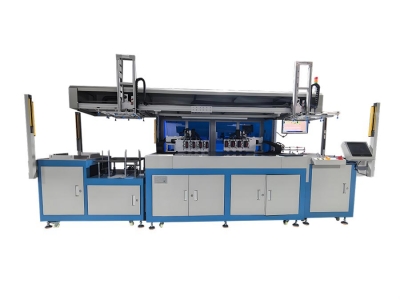
Automatic Frequency Test Machine
-

Auto Wire Embedding Machine (2-in-1 Syst